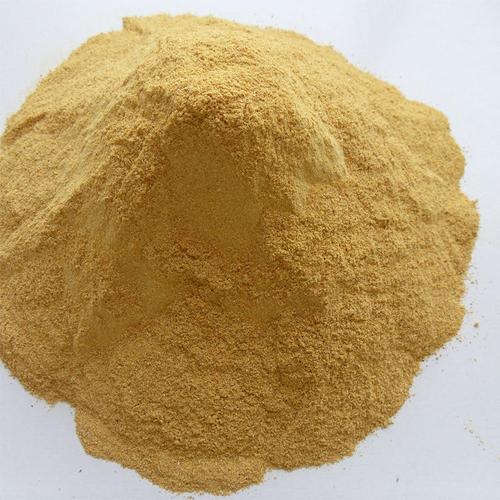
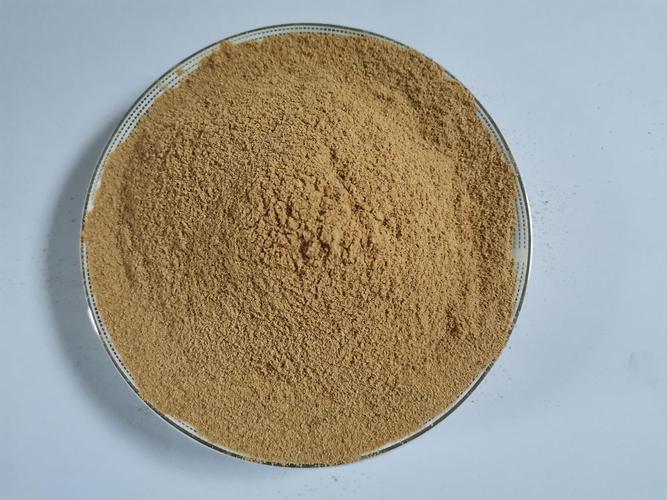
Feed yeast is a tiny one-cell plant. Most times it is Saccharomyces cerevisiae. Farmers dry the cells into a light yellow powder. The powder holds protein, B-vitamins, and helpful sugars. I first tried it on a small 200-pig unit in Hebei. Within two weeks the pigs’ coats looked smoother, and the feed bin emptied slower. That told me feed yeast gave more food from the same corn.
Key points:
Because shoppers now want pork raised with fewer drugs, yeast answers both the vet and the market in one scoop.

Yeast is not one-shape-fits-all. Think of four main styles:
| Style | Main Part | What It Does Best |
|---|---|---|
| Live yeast | Living cells | Crowds out bad bugs; makes enzymes |
| Yeast culture | Cells + broth | Adds B-vitamins; boosts taste |
| Cell wall (MOS, β-glucans) | Outer shell | Blocks E. coli; sparks immune cells |
| Yeast extract | Inner juice | Fast amino acids for young guts |
I rotate live cells in summer heat, then swap to cell wall in weaning week. This keeps cost low but health steady.
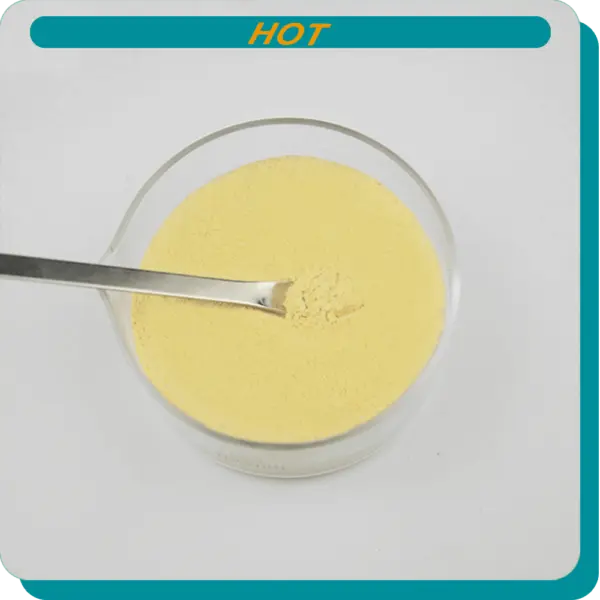
Healthy villi look like tall carpet fibers. Trials with 5 g/kg yeast culture raised villus height by 10 %. Taller villi mean more seat-space for enzymes to grab feed. Short-chain fatty acids from yeast lower gut pH, so bad germs quit growing. I check manure pH once a month; pens on yeast stay at 6.2 while control pens drift to 7.0.
Steps for a strong gut:
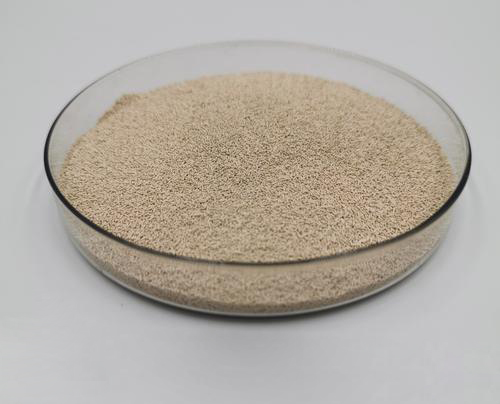
A farm near Manila fed 2 % live yeast to 45-day weaners. Average daily gain jumped from 0.113 kg to 0.172 kg. Feed conversion ratio fell from 3.9 to 3.1. Table below sums three farms I tracked last year:
| Farm | Yeast Type | ADG Gain | FCR Drop |
|---|---|---|---|
| Hebei 500-head | Live | +7 % | −6 % |
| Cebu 300-head | Culture | +5 % | −4 % |
| Chiang Mai 220-head | Extract | +6 % | −5 % |
Numbers prove the feed bin smiles when yeast joins corn and soy.
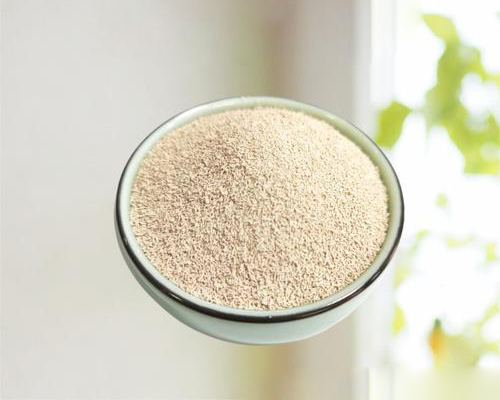
β-glucans plug into receptors on pig white cells. Think of a doorbell that tells the guard to wake up. In our sow barn, serum IgG rose 12 % after four weeks on 1 kg/ton cell wall. Fewer coughs, fewer needle jabs. I mix β-glucan yeast with allicin powder for extra punch during rainy months when bugs spread fast.
Quick checklist:
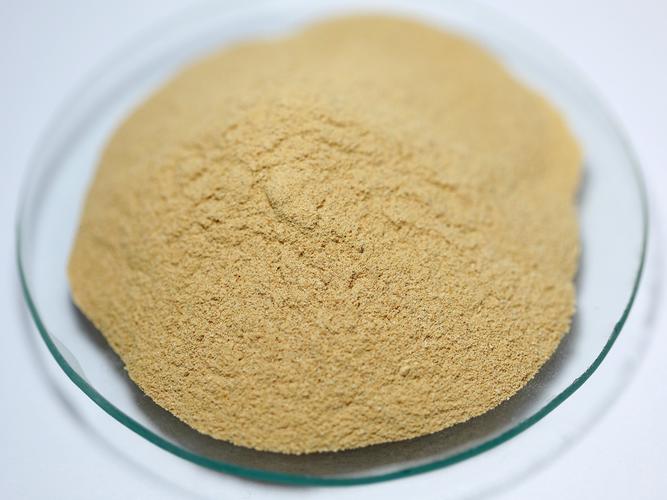
Not all powders are equal. Ask for:
I once saved \$15/ton by buying an untested batch. The next week diarrhea cases doubled, wiping out the “saving.” Pangoo’s QC team checks every drum; that keeps my phone quiet.
Good practice:
| Item | Without Yeast | With Yeast | Change |
|---|---|---|---|
| Feed cost per pig | \$84 | \$80 | −\$4 |
| Vet cost per pig | \$5.20 | \$3.80 | −\$1.40 |
| Market weight days | 165 | 158 | −7 |
Extra gain + lower spend = \$5.40 more profit per pig. On a 2,000-pig site that is \$10,800 each turn. Yeast pays itself in the first month.
Tips:
Scientists now pack live yeast in tiny fat beads. Heat at 80 °C? Cells still wake up in the gut. New strains like Cyberlindnera break fiber better than Saccharomyces. I joined a trial where encapsulated yeast dropped finisher FCR to 2.85. Soon feeders will auto-dose yeast based on weight sensors. Smart barns mean no scoop, no guess, just right levels day by day.
Q1. How much feed yeast should I start with? Begin at 1 kg per ton for grower feed, then fine-tune by watching FCR.
Q2. Can I mix yeast with acidifiers and zinc? Yes. Yeast works well with organic acids and low-level zinc. Avoid high copper that may hurt cells.
Q3. Does yeast replace all antibiotics? It cuts the need but still keep a vet plan for serious cases.
Q4. How do I store yeast in humid weather? Seal the bag, add a silica pack, and keep it off the floor on a wooden pallet.
Q5. Which Pangoo product is best for piglets? Soluble Feed Yeast dissolves fast and fits young guts.