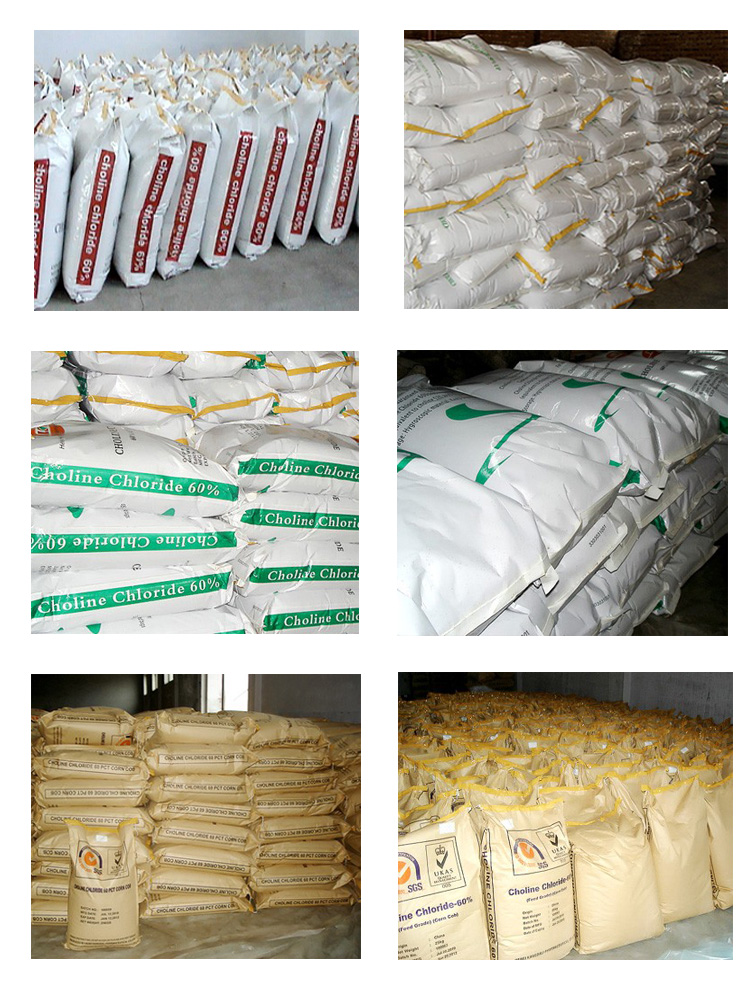
Choline chloride supplies choline, a nutrient birds need every day. Choline helps the liver move fat, so birds avoid fat build-up during fast growth and high-energy feeding. Choline also helps form phospholipids for cell membranes, and it supports acetylcholine for nerve and muscle control. Corn-soy diets bring some choline, but intensive production can outgrow that supply. Feed mills add choline chloride to keep results stable across batches. Feed teams often use references like choline chloride animal feed guide and choline chloride benefits in poultry to explain why consistent dosing matters to integrators. Importers who sell to premix plants also care about handling and flow, since those details affect uniform mixing and customer trust.

Broilers need fast weight gain with low feed waste. Choline chloride helps birds handle fat and keep liver function steady, which supports intake and growth. Many farms see better uniformity when choline stays consistent in starter and grower feeds. Heat stress and high-energy rations can raise liver pressure, so a stable choline line helps protect flock results. Buyers who support integrators often link choline programs to a simple nutrient matrix such as broiler grower matrix targets, then pair it with amino acid planning that supports lean gain. A practical cross-check is methionine for broiler performance because methionine, energy, and choline all affect carcass yield and feed efficiency. For distributors, the sales message stays simple: stable dosing helps stable performance.
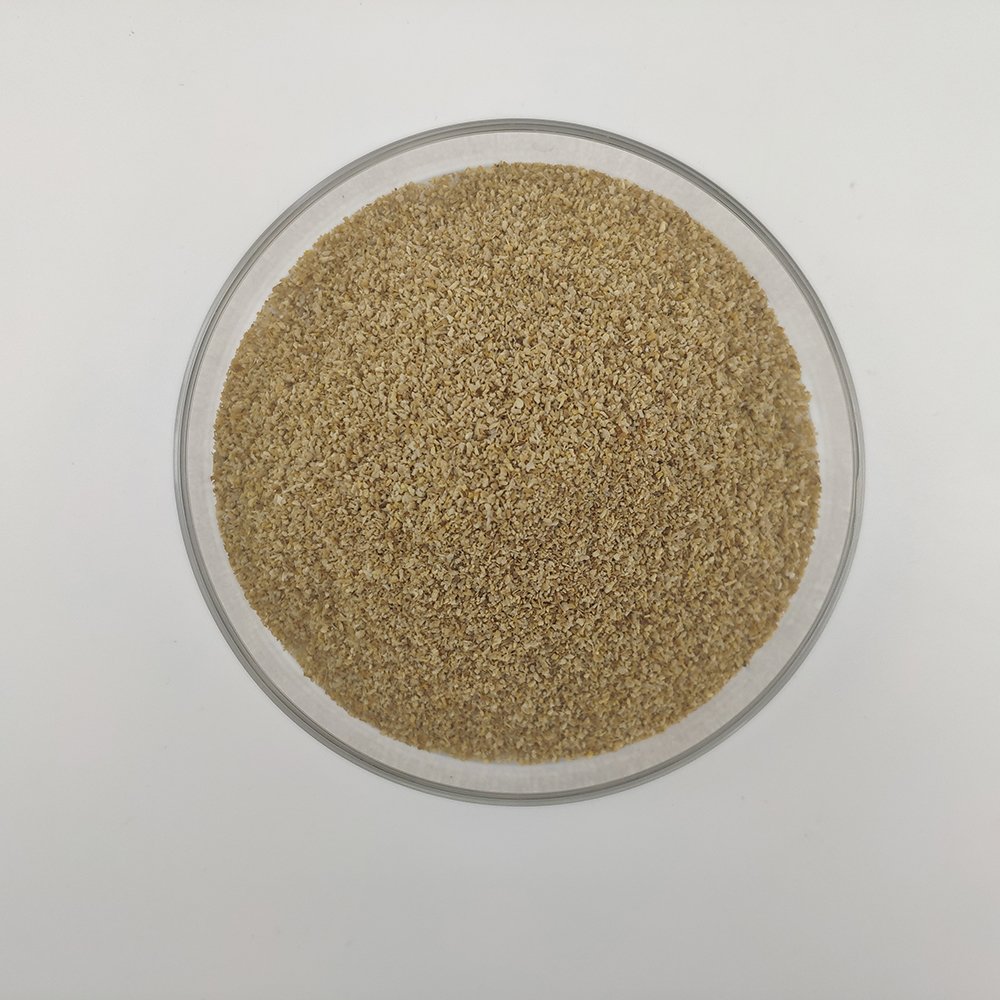
Layers move a large flow of fat into yolk every day. Choline supports yolk lipid transport and phospholipid build, so hens form yolk with less liver strain. That supports steady laying rate and egg weight when the full diet stays balanced. Many farms use choline to protect flock persistence in long cycles, especially when energy runs high and intake shifts with season. Buyers can frame choline as a production stability tool, not a short-term booster. Standards like layer hen nutrient guidelines help buyers speak the same language as integrators and consultants. Many procurement teams also align choline supply with amino acid support, such as lysine in poultry nutrition, because egg mass depends on amino acids while choline helps manage fat flow and liver load. This pairing keeps customer expectations realistic.

Choline deficiency creates costs fast. Young birds can show slow growth, weak legs, and joint problems that look like perosis. Flocks can also show poor feathering, uneven weights, and higher culls. In breeders and layers, deficiency can reduce hatchability and lower output because birds cannot support heavy nutrient flow. Field teams often trace issues back to premix mistakes, short mixing time, or a missed additive in one feed run. A simple nutrition checklist helps farms catch risk early, then fix the root cause. Guides like essential nutrients in chicken feed and poultry minerals and vitamins guide help buyers explain why one missing piece can break performance even when protein and energy look “normal.” For distributors, prevention sells better than treatment because it protects flock output and buyer reputation.
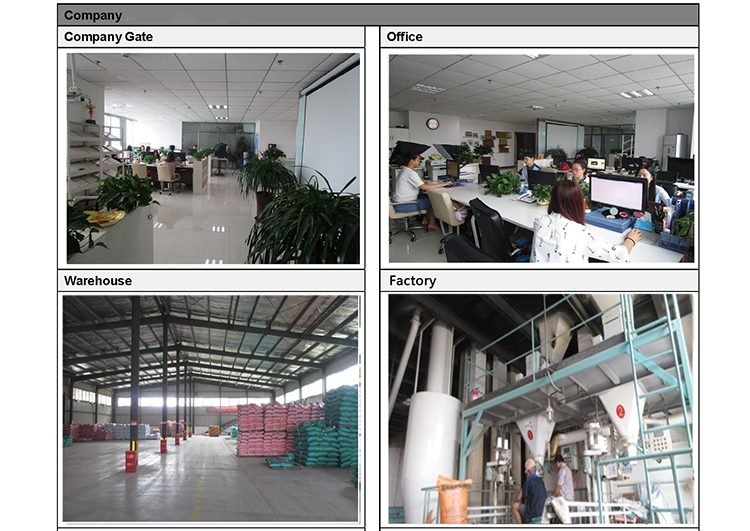
Choline targets change with genetics, ingredients, and stress. Many broiler programs sit around 1,200–2,000 mg/kg, while many layer programs sit lower. Starter feeds often run higher than finisher feeds because early tissue build moves fast. Feed mills adjust for ingredient choline, fat level, and methyl donor plan. Buyers can reduce disputes by sharing a simple method: set targets by stage, verify mix accuracy, then track FCR, uniformity, and livability. A good starting point is amino acid feed formulation guidelines because real diets balance many inputs at once. For quick planning, buyers can also reference amino acid profiles for poultry so choline dosing fits the whole nutrition program. This approach helps private-label buyers support end users without giving risky “one-number” advice.
Choline chloride brings chloride, so buyers must watch the full electrolyte picture. High chloride can increase water intake, wet litter, and gut stress if the diet drifts out of balance. Feed mills manage this by counting chloride from all sources and adjusting salt and mineral inputs. Buyers add value when they give clear chloride accounting notes and safe use ranges that fit local feed rules. Many mills also protect digestion and feed hygiene to keep the flock stable under stress. Pairing choline with practical gut support knowledge helps buyers sound credible during technical calls. Two useful references for sales teams are organic acids in poultry feed and propionic acid for feed preservation, since clean feed and stable digestion reduce performance swings. When buyers present choline as part of a controlled system, mills trust the offer more.
Choline and methionine both support methyl needs in the bird. If methionine runs tight, choline demand can rise because the bird still needs methyl support for key reactions. Some farms use betaine to share that load, but the diet still needs a reliable choline base. Buyers can reduce confusion by selling a clear core set of nutrients with simple specs and use notes. For procurement teams, clear documents for DL-methionine feed grade specs help set the amino acid baseline, and L-lysine feed grade bulk supply supports lean growth and egg mass. This pairing helps distributors explain roles without overpromising: amino acids build tissue, choline supports fat handling and methyl balance. Clear role lines reduce complaints and improve repeat orders.
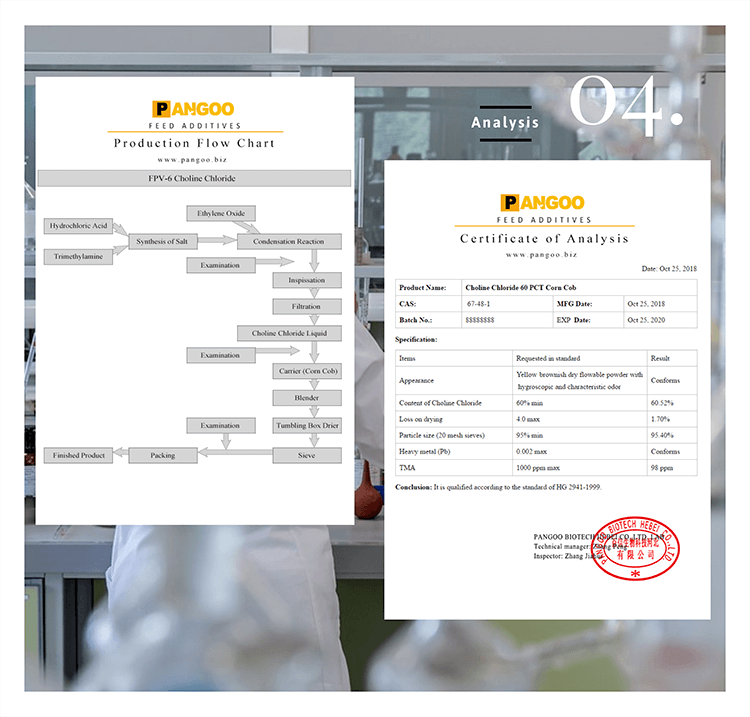
Most feed mills add choline chloride through a premix. That makes mixing control the main risk point. Mills want even spread, low dust loss, and stable storage so every ton carries the same dose. Buyers can support mills with simple steps: pre-blend choline chloride with a carrier, keep mixing time consistent, and protect bags from heat and humidity. Storage rules in amino acid storage and shelf life guide also work well for choline lots in a warehouse. Importers who want fewer claims should also ask suppliers about plant controls, batch records, and packing checks in feed additive manufacturing process and facilities. Clean handling protects potency and keeps product flow smooth in customer lines, which matters as much as the label number in real feed mills.

Most export orders ship as 50–60% powder or 75% liquid. Powder fits most premix lines because it meters well and ships in bags. Liquid fits large integrators with liquid systems, but it needs strict handling control and clean compatibility checks. Buyers should confirm choline content, carrier type, moisture, and flow, then match the grade to the customer’s process. For RFQs, many sourcing teams start from choline chloride 60% feed grade and then use a buyer checklist like choline chloride wholesale guide for international buyers to confirm packing, lead time, and documents. A clear spec reduces price-only sourcing and helps buyers avoid claims after arrival. For private label, consistent specs also protect the brand in distributor markets.
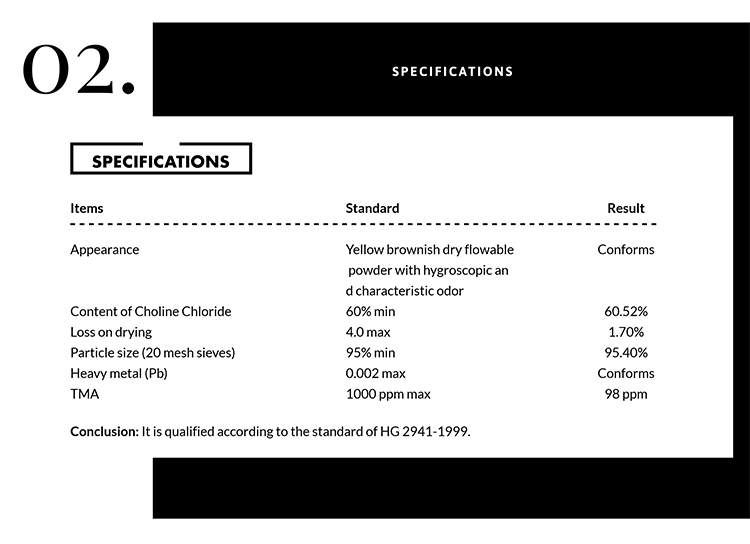
Importers need proof per lot. Strong suppliers provide a COA that matches the lot number and shows clear test results. Buyers also ask for method notes, traceability, and stable packing marks that match customs documents. A QC reference like amino acid quality control assay testing helps buyers review lab checks for purity, moisture, and key limits. A simple portal like COA access helps teams pull files fast for tenders, inspections, and customer audits. Buyers should also align COA limits with contract terms, so claims do not turn into long disputes. For distributors, QC files support sales because end users trust paper that matches the bag. Good QC practice turns one container order into a supply program.
Buyers want stable supply, clear terms, and fast issue handling. A good supplier shares capacity, lead time, and packing options, then supports sample-to-container steps with simple documents and responsive service. Pricing must match pack style, shipment size, and payment method, so clear terms like bulk pricing, MOQ, and payment terms reduce back-and-forth. Many importers also want a clear value case for sourcing, and why import feed additives from China helps align internal teams on cost and supply strategy. Buyers can lower risk by standardizing label text, bag marks, and COA limits across shipments. That keeps customs smoother and reduces warehouse mix-ups. For private label distributors, stable packing and consistent docs protect the brand and support repeat tenders.