Key Takeaways
Choline chloride sits in the “must-have” group of feed additives. Many diets need it to support fat use, liver function, and growth. That is why demand tracks poultry and livestock output, not short-term trends.
For buyers, the real value is supply stability. Feed mills do not want formula gaps. When you lock stable choline supply, you protect your premix line and your customer contracts.
If you want a fast use-case view, check this choline chloride animal feed guide: choline chloride for animal feed guide and the poultry benefits breakdown: choline chloride benefits in poultry diets.
Many importers also bundle choline with other high-turn items like methionine and lysine to cut freight cost per ton. A practical starting point is: bulk feed additives manufacturer in China.
Most industrial plants follow one main chemical path. They react trimethylamine (TMA) with hydrochloric acid (HCl), then add ethylene oxide (EO) to form choline chloride. This route scales well and fits continuous production.

A simple way to think about the flow:
Feed buyers care about output consistency, not lab theory. A supplier should show clear plant capability like: feed additive manufacturing process facilities and match product specs on: choline chloride 60% product page.
A batch process can work, but continuous lines often win in large plants. Continuous systems hold steady temperature, feed rates, and residence time. That helps yield and reduces rework.
In real sourcing, this matters because small shifts show up as:
Good suppliers build controls into the line and log each lot. If you buy for long-term supply, ask if they can support stable QC like: amino acid quality control assay testing and full export support from: FAQ for international feed additive buyers.
If your market has strict import checks, you also want a supplier used to global shipping lanes: global markets and distributors we serve.
After synthesis, the product stream needs cleanup and concentration control. Plants remove excess reactants, control water content, and target a stable choline chloride level before the final form stage.

This is where “good enough” plants fail. Small contamination can cause:
Buyers should confirm product targets and form selection through: the ultimate choline chloride wholesale guide for international buyers and a clear supplier checklist like: choosing the best choline chloride supplier.
Many buyers import choline chloride 60% because it handles better than liquid choline. A carrier (often corn cob or similar) helps absorb moisture, improve flow, and support accurate dosing in feed.
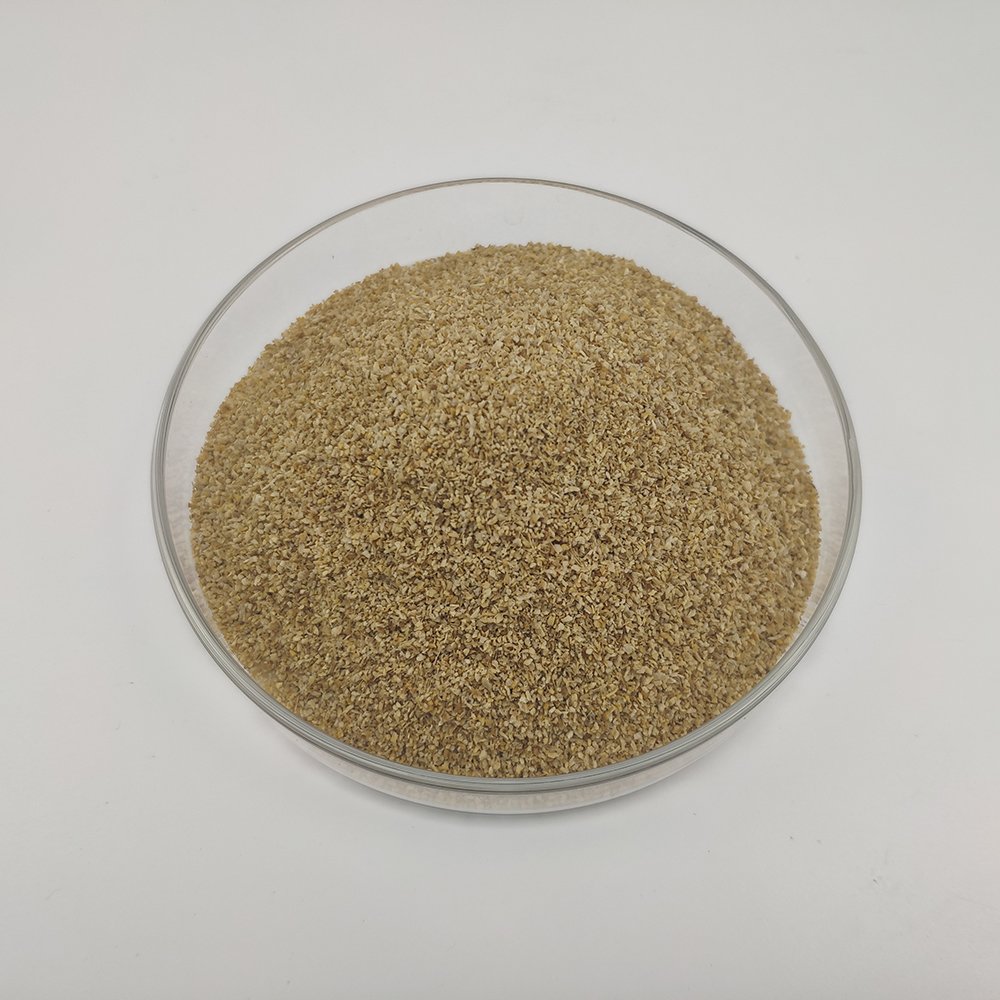
Key buyer checks for carrier-based products:
If you want the carrier story in plain terms, use: choline chloride corn cob exploration and the direct spec page: feed-grade choline chloride 60% bulk supply.
Powder finishing is not “just drying.” The last stage decides if the product stays free-flowing after sea freight and warehouse storage.
A clean finishing setup controls:
This matters even more in tropical regions and coastal ports. If you sell into Southeast Asia, Africa, or Latin America, storage conditions can break weak product fast.
For export buyers who negotiate on quality terms, align purchase terms early using: bulk pricing, MOQ, and payment terms for importers and confirm shelf-life basics with: amino acid storage and shelf life guide.
Ethylene oxide and trimethylamine need strict handling. Strong plants invest in closed systems, trained operators, and clear chemical storage rules. This is not only about compliance. It protects uptime and product stability.
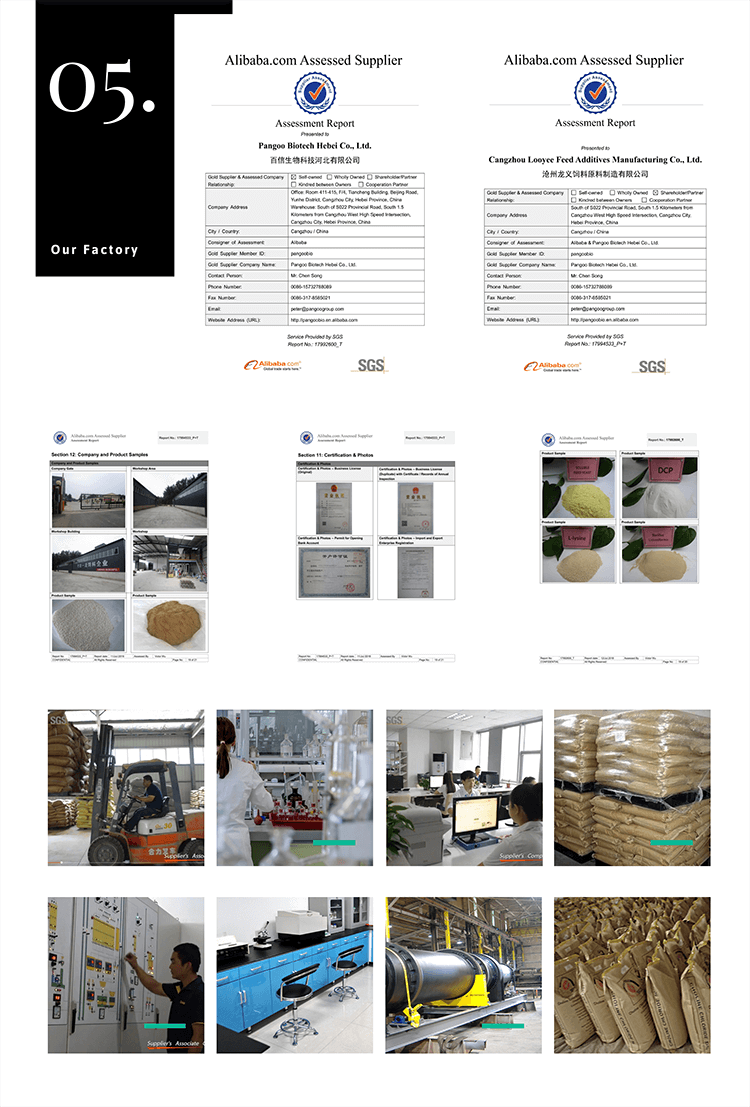
A buyer does not need to audit every pipe. You just need proof of safe operations:
Request documentation through: MSDS for feed additives and confirm supplier identity via: why import feed additives from China.
If you buy many items from one vendor, the safety culture often shows in the full catalog too: feed additives products list.
Feed buyers often lose money from weak QC, not low price. A reliable choline chloride supplier tests every lot and shares the COA before loading.
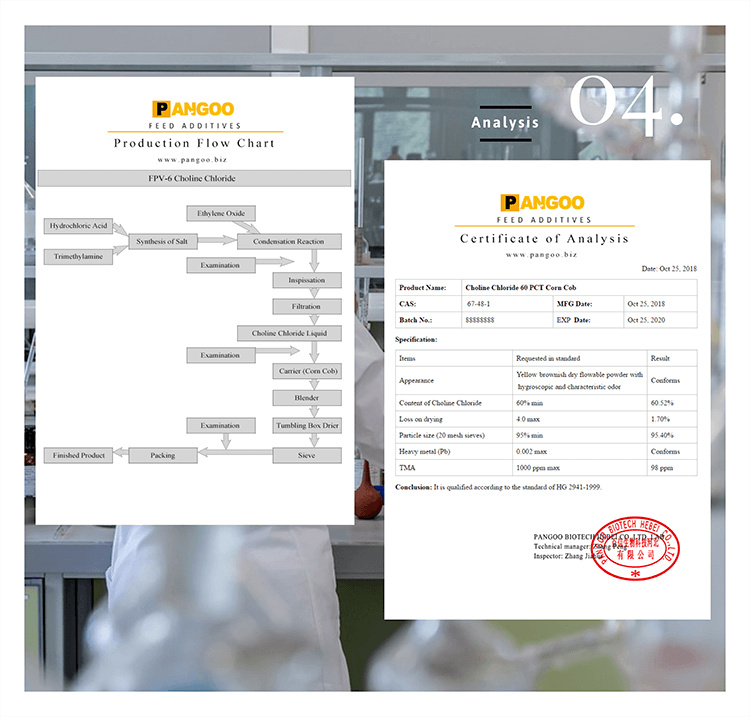
Common checks include:
Your QC team should match incoming standards to the supplier COA. If you run premix plants, the best practice is to set your own acceptance limits and reject unstable lots early.
For formal paperwork flow, use: COA support for feed additives and add method discipline from: amino acid quality control assay testing.
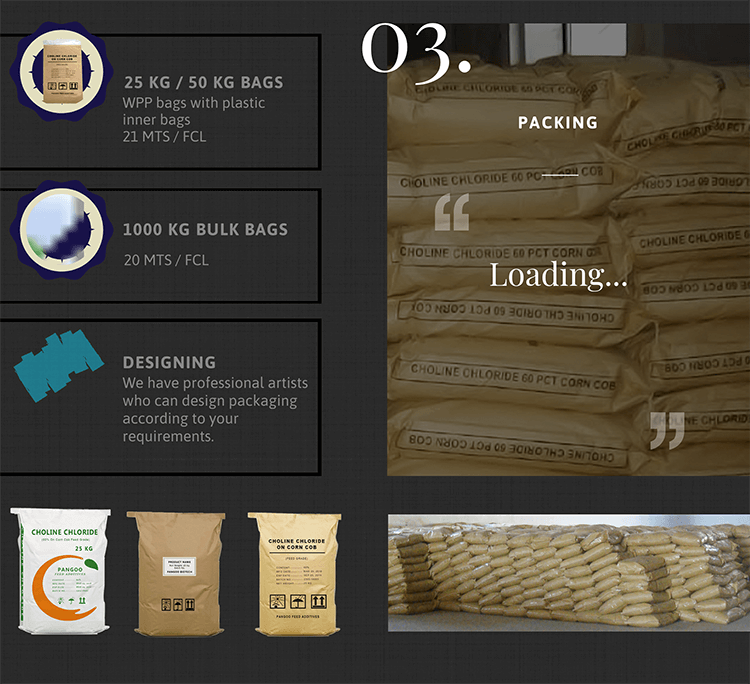
Choline chloride pulls water from air. That is why packaging and storage decide real shelf life. Bad packing can turn a good lot into hard blocks in weeks.
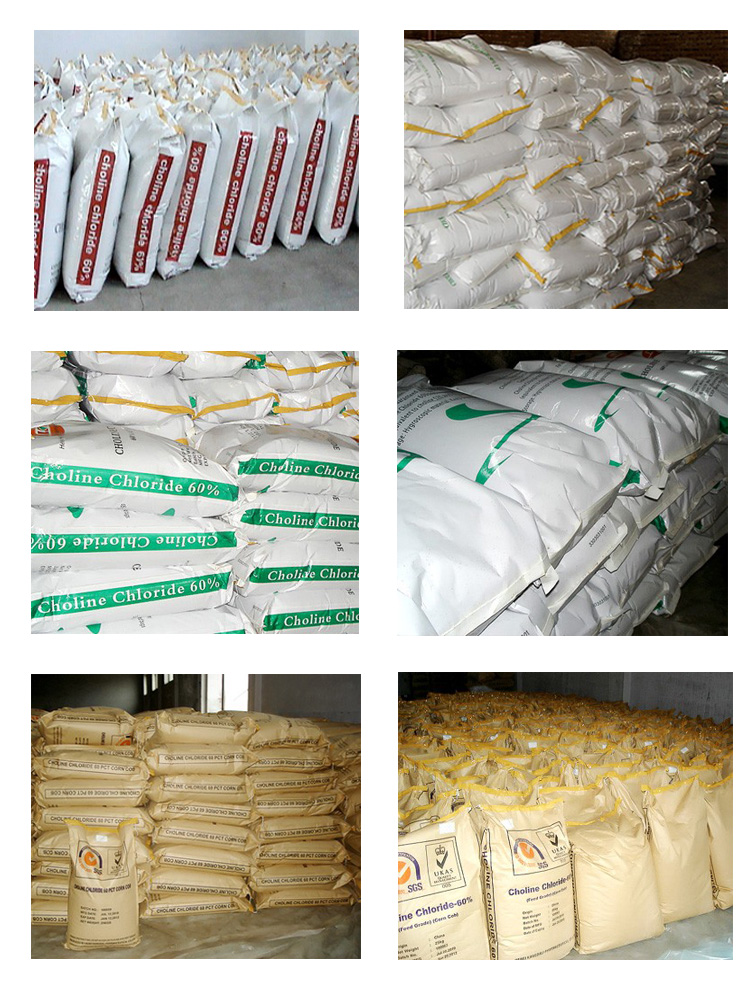
Smart handling rules for buyers:
If your team handles many additives, use shared storage logic with acids and other hygroscopic items. These guides help planning: propionic acid feed preservation and encapsulated organic acids guide.
For buyers who want clean import processes, keep your supplier aligned with: FAQ for international feed additive buyers.
Most disputes come from vague specs. A clear product sheet reduces claims and stops “spec drift” over time.
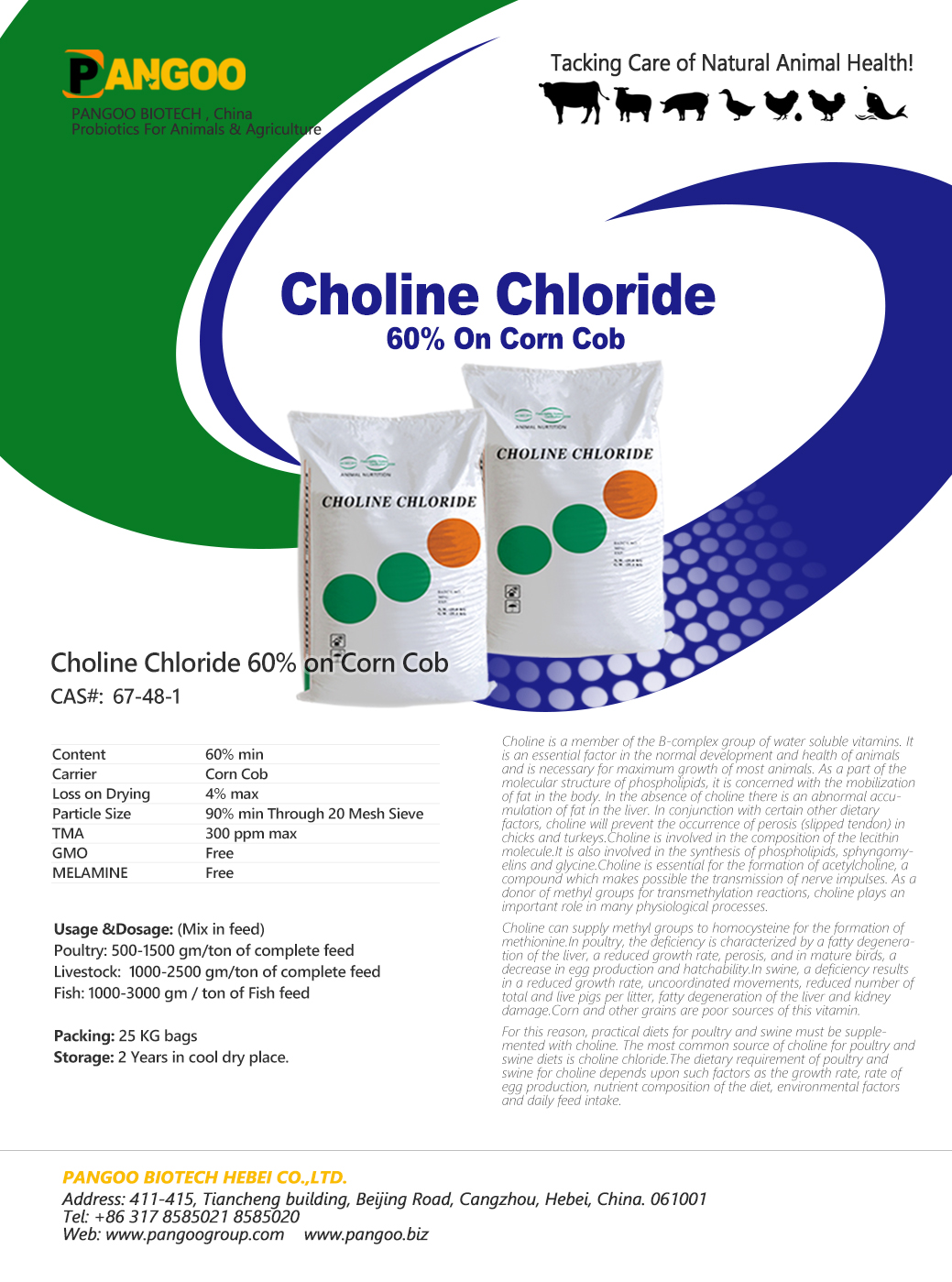
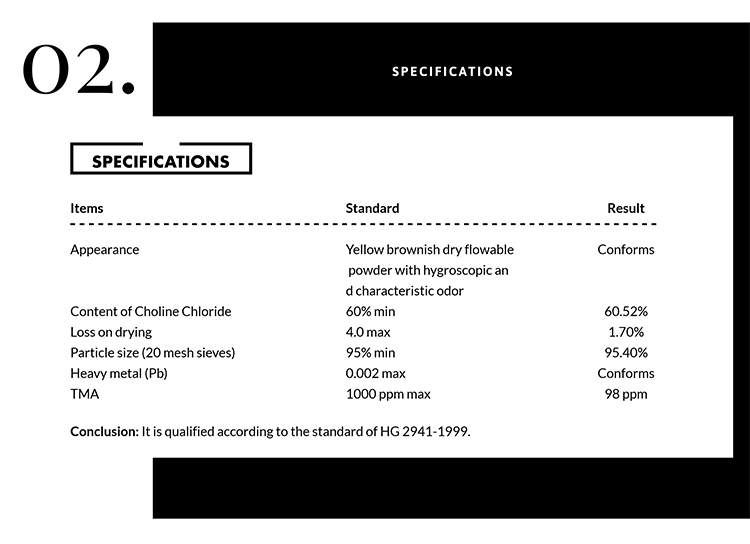
Your contract should define:
If you also buy amino acids, align the same contract style across SKUs. These pages help build consistent purchasing terms: amino acid feed formulation guidelines and DL-methionine feed-grade specs.
To simplify supplier approval, keep one internal supplier file for each vendor, linked to: bulk pricing and MOQ rules.
Choline chloride pricing moves with raw materials and plant efficiency. TMA and EO depend on upstream chemical markets, energy, and regional supply limits. Freight and compliance also add cost swings.
Buyers often see these price triggers:
If you buy on contract, avoid chasing the lowest number. A “cheap” supplier that fails QC can cost more than a stable partner.
Many importers bundle choline chloride with core amino acids to gain scale pricing, such as: L-lysine feed-grade bulk supply and DL-methionine 99% product.
For a broader trade view, see: global feed additive trends.
China remains a key source for bulk feed additives because of scale, export experience, and integrated supply chains. The best results come when buyers verify basics early, then move fast on repeat orders.
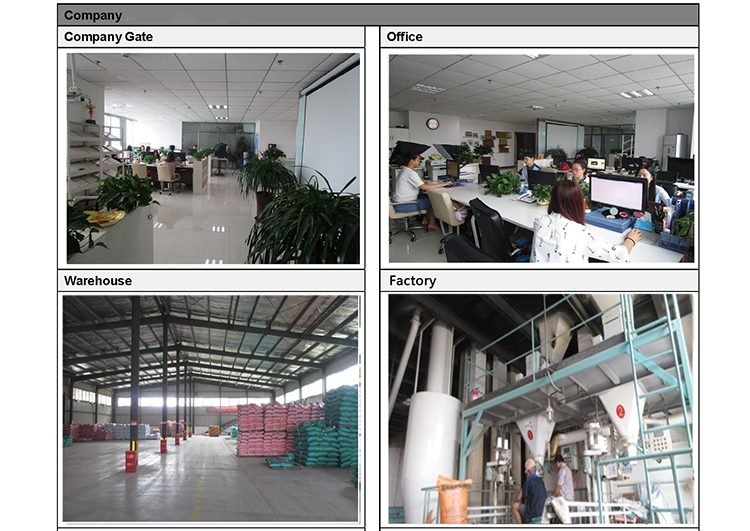
Strong first-order checks:
Use these pages to align the sourcing path: how to choose a supplier in China and why import feed additives from China.
If you distribute in more than one country, match your route planning to: top export destinations for Chinese feed additives.
Good importers treat choline chloride like a “repeat engine,” not a one-time deal. They run a simple approval system and keep it consistent across all feed additives.
A practical approval flow includes:
If your team buys many nutrition items, link choline planning with amino acid strategy to stabilize full formulas, such as: essential amino acids for animal nutrition and amino acids feed additives for poultry.
For buyers who want a full choline-focused playbook, use: choline chloride manufacturing process guide and choline chloride wholesale guide.
Most large plants make it by reacting trimethylamine + hydrochloric acid, then adding ethylene oxide in a controlled system. This route scales well and supports stable cost. Product specs and form details are listed here: choline chloride 60% feed-grade product.
Powder ships easier, stores easier, and mixes better in premix and feed mills. The carrier also helps handling in bulk bags. Carrier details are explained here: choline chloride corn cob carrier guide.
Top risks include high moisture, caking, and unstable assay. These show up after long sea transport or poor storage. Import buyers often rely on strict COA review: COA documentation support.
At minimum: COA, MSDS, packing list, invoice, and batch traceability. MSDS support is here: MSDS for feed additives.
Start with spec match + sample test + factory capability proof. This checklist helps: choosing the best choline chloride supplier and buyer basics are here: international feed additive buyer FAQ.
Yes. Many importers ship choline with amino acids and minerals to reduce freight cost per ton. Common bundles include: L-lysine HCl 98.5% product and DL-methionine feed-grade specs.
Keep bags sealed, store on pallets, avoid hot wet corners, and follow FIFO. Hygroscopic control is critical for stable quality over time. Related storage logic also helps for acids and sensitive additives: propionic acid feed preservation.